Cropping In or Leaving Room: Two Ways to Frame a Picture
Learn how tight and spacious framing change a subject’s relationship with its surroundings, then choose a crop that supports the feeling you want to convey.

You lift your phone to photograph a friend beside a street mural, but the frame catches a trash bin and half a parked car. Cropping in would make the portrait cleaner; leaving room could show how your friend belongs in that lively corner. Framing a picture is not just a matter of removing distractions. It sets the distance between a subject and its surroundings, and that distance changes what the scene seems to say.
Use the same scene to compare two useful choices: a tight frame that gives the subject most of the space, and a spacious frame that lets the environment share attention. The right choice depends on what you want viewers to notice about the relationship, not on a rule that one style is better.
Decide what the surroundings contribute
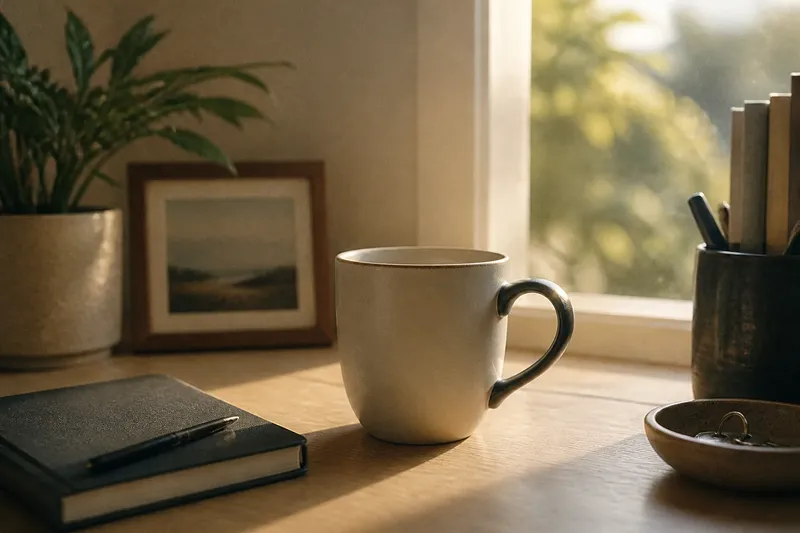
Before moving closer or cropping, name the subject and the role of the area around it. A bicycle can be the main subject, while a rack of parked bikes suggests a busy commute. A lone mug can stand out against an empty table, while the table may also hint at a quiet breakfast.
Ask one plain question: if the surroundings disappeared, would the picture lose useful meaning? If the setting explains where the subject is, what it is doing, or how it feels in relation to other things, make room for it. If it merely competes without adding context, a tighter frame may help.
Think of the surrounding space as part of the composition, not leftover area. A blank wall can make a small object feel isolated; a crowded counter can make it feel embedded in daily life. Decide which of those relationships belongs in the picture.
Make a spacious frame first
Start with enough room to see the whole subject and some of its setting. With a phone, step back a little if the scene permits, or use the camera’s wider view without leaning into an extreme perspective. With a camera, check the edges of the viewfinder as carefully as the subject in the middle.
Look at the four borders. Notice whether a doorway, chair, branch, or patch of sky helps place the subject. Also notice objects that seem to touch the subject accidentally, such as a lamp appearing to grow from someone’s head. A spacious frame makes these relationships easier to judge because more of the scene remains visible.
Do not add room everywhere just for the sake of openness. Space above a person can feel calm, but a large gap below their feet may look like an error. Let the shape and direction of the scene guide where the room goes.
- Check whether there is space in front of a person’s gaze or movement; if there is, keep it when it supports direction, and if not, reframe to open that side.
- Check whether the surroundings show the subject’s scale or setting; if they do, preserve enough to read that context, and if they do not, crop closer.
- Check whether empty areas balance the subject or pull attention away; if they balance it, keep them, and if they distract, tighten the frame or shift your position.
- Check whether objects at the borders touch or merge with the subject; if they create a confusing shape, move or reframe, and if they add useful context, leave them visible.
- Check whether the subject is fully visible where that matters to the action; if an essential part is cut off, widen the frame, and if the crop is intentional, keep the focus on the meaningful detail.
- Check whether the final image will be shown in a particular shape; if that format removes useful context, compose for it or leave more room, and if the crop remains clear, keep the framing.
Take a moment to inspect the frame edges before you settle on this version.
Try a tighter frame without losing the subject’s story
Now move closer, change your position, or crop the image so the subject occupies more of the picture. Keep an eye on meaningful details: hands holding a tool, a dog’s paws on a path, or the edge of a sign that explains where someone is. A tight frame can make gesture and expression easier to read, but it can also remove clues that make them understandable.
Check how the crop cuts through the subject. Cutting across a joint or trimming a useful object can feel abrupt. A close frame does not have to show every part, but the boundary should look deliberate. When in doubt, compare a crop that includes the whole gesture with one that focuses on a single detail.
Watch for perspective changes as you move. Getting very close with a phone’s wide lens can make a nearby hand look much larger than a face. If that shift distracts from the relationship you want, step back and crop afterward, or choose a less wide lens setting.
Say you are photographing a friend repairing a flat tire on a quiet path. In this invented situation, your starting frame includes the bicycle, the path, and a stretch of trees. You take that wide view, then make a closer crop centered on your friend’s hands and the wheel. The wide version keeps the roadside setting visible; the close version makes the repair easier to notice but loses some sense of place. If the story is a solitary pause on the path, keep the wider frame; if the action of fixing the tire matters most, choose the closer crop.
Compare what each frame asks viewers to notice
Look at the spacious and tight versions side by side, or switch between them on your screen. Do not ask only which one looks more dramatic. Ask what the viewer can infer from each: the subject’s action, its scale, its mood, or its connection to place.
A spacious frame often invites the eye to move between subject and setting. It can make a person seem small within a room, a flower part of a garden, or a meal shared with the table around it. A tight frame tends to concentrate attention on expression, texture, or a particular action. It may make the surroundings feel absent even when they were present during the photograph.
Neither effect is automatic. A spacious image can still feel focused if the setting is simple or arranged around the subject. A tight image can still suggest a larger world through a partial clue, such as a hand entering from beyond the edge or a reflection in a window.
Which framing choice fits the relationship you want to show?
When should I leave more space around a person?
Leave room when the person’s direction, activity, or place matters to the scene. Space in front of a gaze or movement can make the picture feel open rather than boxed in.
When does a tight crop work best?
A tight crop can help when expression, texture, or a specific gesture carries the meaning. Keep enough context to make the detail readable, especially if viewers need to know what the person is touching or looking at.
Can a picture have both tight and spacious framing?
Yes. A subject can fill much of one side while open space remains on the other, creating a close view that still acknowledges its setting. This can work well when the subject is looking into the open area or when a nearby background detail matters.
Should I crop while taking the picture or afterward?
Compose in camera when you can, since it helps you notice distracting edges and perspective as you work. Leaving a little extra room can preserve options for a later crop, but avoid relying on cropping to rescue a frame that hides an essential part of the scene.
Settle on the version that keeps the useful context
Before choosing, view the image at the size where it will be seen. A small preview can make a spacious frame feel vague, while a tight crop on a larger screen may reveal an edge that cuts awkwardly. If you plan to print, display, or share the image in a particular shape, check that the framing still works in that format.
Use a simple final check: identify the main subject, name one thing the surroundings add, then see whether your crop keeps both clear. If the setting adds nothing, crop with confidence. If it tells part of the story, preserve enough of it to remain readable.
Framing a picture is a way of deciding how close a viewer should feel to the subject and how much of its world they should be allowed to see. When you compare tight and spacious framing, choose the version whose distance makes that relationship easiest to understand.